
The Kingdom of Saudi Arabia has quickly established itself as one of the world’s most talked-about travel frontiers. Driven by the strategic economic blueprints of Vision 2030, the nation has shifted from a historically closed landscape into an inviting global hub. Pristine Red Sea coastal resorts, futuristic smart cities, and ancient UNESCO World Heritage sites like AlUla are now attracting millions of global explorers, historians, and vacationers every year.
Central to this international opening is the complete modernization of the country’s border control systems. By moving away from complex consular paperwork and launching automated digital frameworks, entering the country has transformed into a seamless experience. For modern travelers, understanding how these digital systems function is the first step toward a successful journey.
Understanding the Modern Electronic Travel Entry
Historically, securing permission to visit the Arabian Peninsula required extensive paperwork, mandatory invitations from local corporate sponsors, and lengthy waiting periods at physical embassies. Today, the approach is entirely different. The government recognizes that a fluid, frictionless entry process is the foundational pillar of a thriving tourism and business economy.
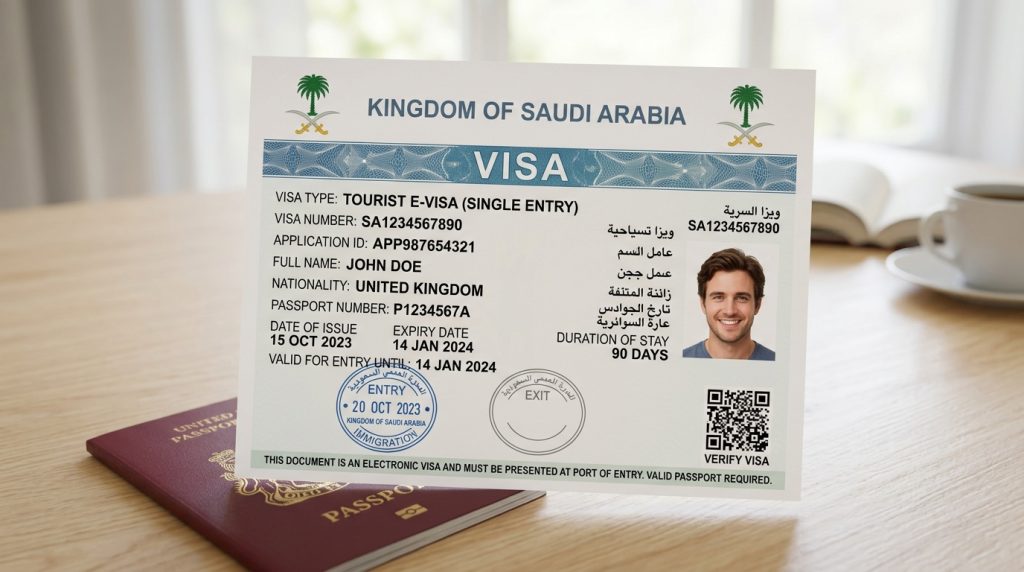
For international travelers planning a holiday, a family reunion, or a short leisure trip, acquiring a standard SAUDI ARABIA TOURIST VISA via the official online platform requires only a few minutes. This digital document typically grants eligible passport holders multiple entries over a 12-month period, allowing for a total stay of up to 90 days. It gives travelers the ultimate schedule flexibility to explore historic landmarks, attend global sports spectacles, or perform the Umrah pilgrimage outside the formal Hajj season.
Resolving Common Operational Queries
While the automated digital path provides exceptional speed, international travelers frequently encounter technical or procedural questions during the planning phases. Navigating these requirements smoothly requires clear, accurate information.
Reviewing a comprehensive SAUDI ARABIA VISA FAQ before initiating an online application helps clarify common operational details:
- Processing Timelines: While traditional embassy tracks took weeks, the automated electronic database cross-references background checks instantly. Most applicants receive their approved digital travel PDF in their email inbox within a few hours of submission.
- Mandatory Insurance: Every electronic application automatically bundles a mandatory local health insurance policy into the final processing fee. This ensures that all foreign tourists are fully covered for medical emergencies during their stay.
- Transit and Overstops: Travelers matching specific eligibility criteria can also look into short-term transit authorizations if they are simply passing through the country’s international airports en route to another global destination.
Essential Pre-Arrival Preparation for Travelers
To guarantee a completely seamless transition at international airport checkpoints, travelers should integrate several core operational steps into their planning:
1. Audit Passport Expiration Metrics
Before launching an online application form, carefully inspect your physical passport. Standard immigration regulations dictate that your passport must possess a minimum validity period of at least six months from the specific calendar date you intend to cross the border.
2. Align with Regional Public Modesty
Although the country has undergone massive social modernization and significantly relaxed traditional dress restrictions for foreign visitors, practicing public modesty remains a highly valued social norm. Travelers are encouraged to wear conservative clothing that covers the shoulders and knees when navigating public spaces, traditional markets (souks), and government facilities.
3. Adapt to a Cash-Light Infrastructure
The financial ecosystem across major urban centers like Riyadh, Jeddah, and Dammam is highly digitized. Major international credit networks, debit cards, and contactless mobile payment platforms are universally integrated into retail stores, transit networks, and hospitality venues. However, carrying a small reserve of physical currency (Saudi Riyal) remains practical for small tips or purchasing souvenirs from independent merchants in rural heritage zones.
