
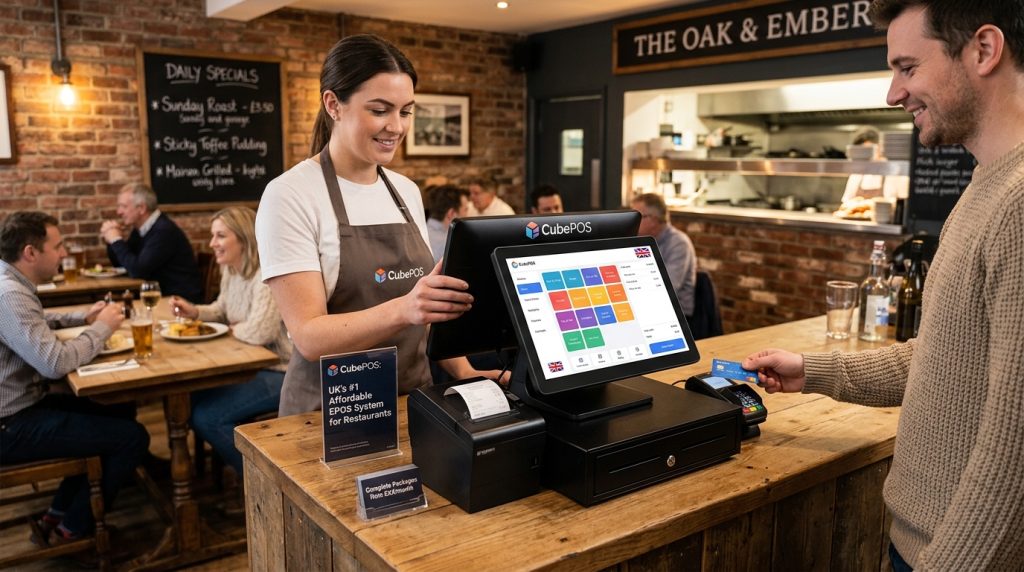
The UK hospitality sector is currently navigating a period of significant technological advancement. As we move through 2026, the traditional methods of order taking and inventory management are being replaced by sophisticated, integrated platforms. For restaurant owners, the goal is clear: increase operational speed while maintaining the high standard of service that modern diners expect.
Enhancing Efficiency in the Capital
In the fast-paced environment of the South East, restaurant owners face the unique challenge of managing high volumes of guests who value both quality and speed. Implementing a robust Restaurant EPOS London has become a cornerstone for success in this competitive market. These systems do more than just process transactions; they act as a central hub that connects the dining floor directly to the kitchen.
By using mobile ordering tablets and real-time communication tools, staff can spend more time attending to customers and less time running back and forth to a central terminal. This seamless flow of information reduces the likelihood of order errors and ensures that the kitchen can prioritize preparation effectively, leading to faster table turnover and increased revenue during peak hours.
Driving Growth in the West Midlands
The culinary scene in the Midlands is equally dynamic, characterized by a diverse range of independent eateries and expanding chains. For those looking to streamline their operations, selecting a professional Restaurant POS system in Birmingham provides the data-driven insights necessary for long-term growth.
Modern point-of-sale technology excels at inventory management and waste reduction. By tracking ingredient usage in real-time against sales, managers can identify discrepancies and optimize their ordering processes. This level of precision is vital for maintaining healthy margins in an era of fluctuating food costs. Furthermore, these systems often include built-in customer loyalty modules, allowing businesses to create personalized marketing campaigns that turn first-time visitors into regulars.
The Benefits of Integrated Technology
To stay relevant in today’s digital-first economy, a restaurant’s management system must offer a comprehensive suite of features:
- Integrated Payments: Supporting everything from contactless cards to mobile digital wallets ensures a frictionless checkout experience.
- Detailed Analytics: Access to daily, weekly, and monthly sales reports helps owners make informed decisions about staffing and menu changes.
- Scalability: Cloud-based platforms allow owners to manage multiple locations from a single dashboard, providing a consistent overview of the entire business.
- Staff Management: Tools for tracking shifts and monitoring individual performance help in optimizing labor costs and improving team productivity.
Looking Toward the Future
As the hospitality industry continues to evolve, the integration of smart technology will remain a primary driver of efficiency. When administrative tasks like stock taking and billing are automated, the team is empowered to focus on the human element of hospitality—providing a memorable experience for every guest. By investing in the right infrastructure today, restaurant owners can ensure their establishments are prepared for the challenges and opportunities of tomorrow’s market.
