
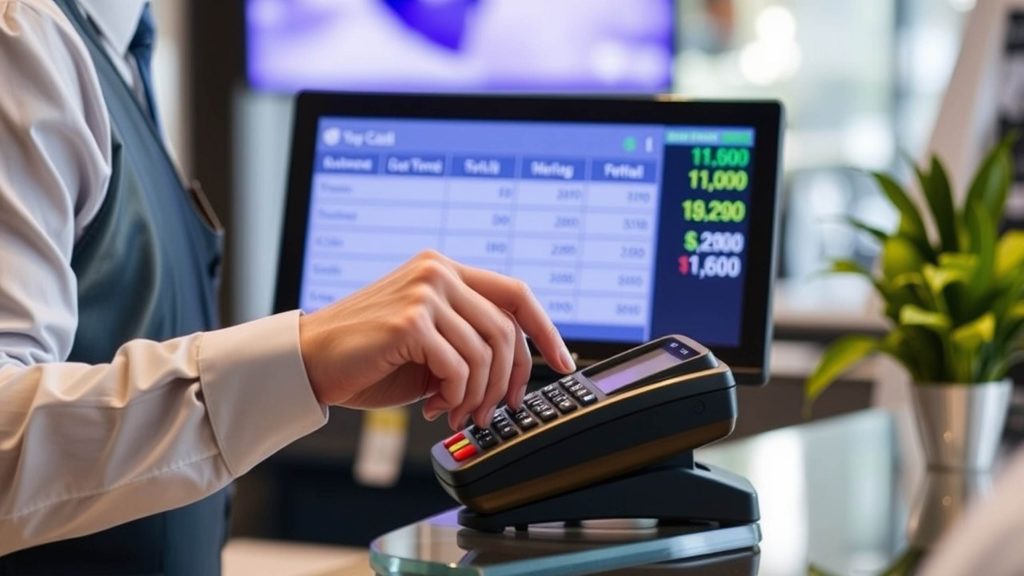
The UK’s hospitality sector is facing unprecedented profit pressure. Rising operating costs—from labor and food inflation to soaring rent—are squeezing margins across UK restaurants and cafés. In this challenging environment, profitability increasingly hinges on implementing smarter systems that leverage both hardware and software innovations. Modern EPOS systems are not just payment systems; they are comprehensive software solutions that enhance operational efficiency. they are powerful tools that directly impact revenue, costs, and overall efficiency.
Faster Service Means Higher Revenue
In the fast-paced restaurant business, speed directly translates to profit. An efficient EPOS system can significantly impact a restaurant’s bottom line by accelerating service and enhancing the customer experience. Ultimately, the speed of service drives measurable revenue gains for hospitality businesses striving to increase profit, especially for takeaway cafes looking for fast solutions..
Reduced Waiting Times
Faster ordering and checkout processes, facilitated by a modern EPOS system, directly lead to more customers served per hour. By streamlining the order process and speeding up payment, the restaurant can accommodate more patrons during peak hours. This efficiency translates directly into increased revenue for the business and a better experience for the customer.
Improved Table Turnover
Effective table management is crucial for maximizing restaurant profit margins. An EPOS system for restaurants supports better table flow management, allowing staff to quickly turn tables and accommodate more diners. During peak hours, this optimization is essential for maximizing revenue. Improved table turnover is particularly crucial for small, independent restaurants looking to compete with larger chains.
Queue Reduction for Cafés & Takeaways
For cafés and takeaways, queue reduction is paramount to increasing daily sales. An EPOS system streamlines the order and payment process, enabling faster service and reduced wait times. By implementing the best point of sale solution, takeaways can serve more customers, resulting in higher throughput and increased profit margins in the fast-paced environment.
Inventory Control Prevents Profit Leakage
Real-Time Stock Tracking
One of the most significant ways an EPOS system boosts profit margins is through real-time stock tracking. This feature allows restaurant business owners to track ingredient levels as they are used, preventing over-ordering of food and ensuring that fish remains fresh. The system’s reporting capabilities help you maintain optimal stock levels and avoid spoilage, directly impacting your bottom line. Accurate, real-time data empowers smarter decisions, ensuring that waste is minimized and profit is maximized.
Waste Monitoring
An efficient EPOS system provides detailed waste monitoring, helping restaurants identify loss patterns. By tracking ingredient usage and correlating it with sales data, the system can highlight areas where waste is excessive, including the handling of fish. This data allows for portion consistency and enables better staff training to reduce waste. Waste monitoring is crucial for protecting profit margins in the competitive UK hospitality sector. This ensures that every ingredient contributes to the bottom line.
Automated Alerts
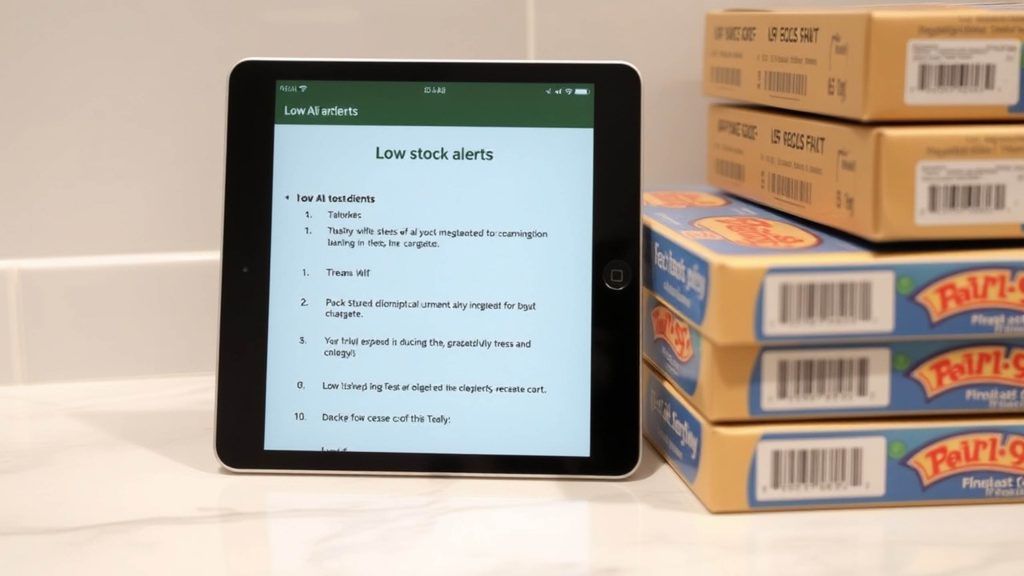
Modern EPOS systems offer automated alerts for low stock levels, ensuring that the restaurant never runs out of essential ingredients. This feature supports smarter purchasing decisions, enabling business owners to order only what is needed, when it is needed. The system integrations streamline the order process, reducing the risk of overstocking or shortages. These real-time alerts protect restaurant profit margins and maintain a smooth workflow.
Data Insights Enable Smarter Decisions
Sales Trend Analysis
An EPOS system’s ability to provide in-depth sales data is invaluable for making informed business decisions. Sales trend analysis helps restaurant owners identify top-performing menu items and understand customer preferences. This allows for strategic menu adjustments, targeted promotions, and better inventory management. By leveraging these insights, restaurants can optimize their offerings to increase profit margin and enhance customer satisfaction.
Labour Optimization
Effective labour management is essential for controlling costs in the hospitality industry. An EPOS system supports labour optimization by tracking staff performance and scheduling employees based on demand, which is crucial for takeaway operations. By analyzing sales data, the system can predict peak hours and allocate staff accordingly, reducing unnecessary labour costs during slower periods and ensuring fast service. Better labour management contributes directly to increased profit and improved operational efficiency, especially when utilizing advanced software solutions.
Profitability Reporting
Comprehensive profitability reporting is a key feature of modern Restaurant Point of Sale systems, offering invaluable insights into the financial health of a restaurant. These reports allow business owners to understand the margin contribution per item, identifying which menu choices are most profitable. This data-driven approach supports informed pricing decisions, menu adjustments, and cost management strategies, ultimately driving stronger profit margins and sustainable growth in the competitive UK restaurant market.
Integrated Ordering Expands Revenue Channels
Modern EPOS systems offer many options for integrating ordering across multiple platforms. The integration of various ordering channels provides a cohesive and streamlined approach for managing all orders in one central system, regardless of their origin. This functionality is crucial for businesses aiming to maximize their revenue streams and improve overall efficiency across their hospitality business. The EPOS system needs to support the business.
Online Ordering Integration
Integrating online ordering into the Restaurant EPOS system allows restaurants to capture delivery and pickup sales directly through their website or mobile app. This integration streamlines the order process from the customer’s initial order to the kitchen, reducing manual entry and minimizing errors. This capability can significantly boost revenue by tapping into the growing online food ordering market. The best point of sale allows you to do that.
Unified Order Management
A unified order management system is essential for multi-channel sales. This feature ensures that all orders, whether placed online, in-store, or through third-party delivery services, are managed in a single system. This eliminates the risk of errors and duplication, providing a seamless experience for both the staff and the customers. Efficient order management is critical for maintaining high levels of customer satisfaction and operational efficiency, particularly in busy takeaway environments.
Menu Synchronization
Real-time pricing consistency across all channels is crucial for maintaining customer trust and ensuring accurate financial reporting. An EPOS system with menu synchronization automatically updates prices and menu items across all platforms, making it essential for fast-casual cafes. This prevents discrepancies and ensures that customers see the correct pricing regardless of where they place their order. This consistency enhances customer confidence and streamlines operations, which helps to increase profit.
Customer Retention Drives Repeat Profit
Customer retention is a cornerstone of sustainable profit for any restaurant business. Acquiring new customers is more expensive than retaining existing ones, making customer loyalty programs and personalized service essential strategies. By focusing on enhancing the customer experience and building long-term relationships, restaurants can foster repeat business and increase profit. It’s important to implement a solution that will help to retain customers and increase profit margin.
Loyalty & Promotions
Implementing loyalty programs and targeted promotions through an EPOS system is a powerful way to encourage return visits. By offering rewards, discounts, and personalized deals, restaurants can incentivize customers to choose their establishment over competitors, particularly in the takeaway market. The POS system can track customer purchase history and preferences, enabling highly effective and targeted promotions that drive customer engagement and loyalty, which contributes directly to profit margin increase.
Personalized Service
Personalized service enhances the customer experience and fosters brand loyalty. With an EPOS system, staff can access customer history and preferences, allowing them to provide tailored recommendations and a more attentive service. This personalized approach creates a sense of connection and value, encouraging customers to return. Understanding customer data allows the staff to provide an unparalleled service.
Faster Checkout Experience
A faster checkout experience contributes significantly to a positive brand perception. By streamlining the payment process with quick and efficient card processing, the EPOS system reduces wait times and enhances customer satisfaction. Whether using contactless payments, mobile payment options, or traditional methods, a smooth and speedy checkout leaves a lasting positive impression, encouraging customers to return and recommend the restaurant to others.
Operational Efficiency Reduces Labour Costs
Operational efficiency is crucial for managing labour costs in the competitive UK hospitality sector. A modern EPOS system streamlines workflows, enhances staff accountability, and simplifies training, leading to significant cost savings. By automating tasks and optimizing staff performance, restaurants can reduce payroll waste and increase profit. Embracing technology in the restaurant business is essential for maximizing efficiency and minimizing unnecessary expenses.
Streamlined Workflows
An EPOS system streamlines workflows by automating many manual tasks, reducing the need for manual data entry. This not only saves time but also minimizes the risk of errors, improving overall operational efficiency. From order taking to inventory management, a POS system can automate key processes, allowing staff to focus on providing excellent customer service. Integrated systems ensure that all restaurant operations run smoothly, which ultimately contributes to a reduction in labour costs.
Staff Accountability
Staff accountability is essential for maintaining high service standards and controlling costs. An EPOS system supports performance tracking, providing valuable data on individual staff members’ sales, order accuracy, and table turnover rates. This data enables managers to identify areas for improvement and provide targeted training, leading to increased staff efficiency and reduced errors. By holding staff accountable, restaurants can optimize their workforce and improve overall profit margins, ensuring that hardware investments yield maximum returns.
Training Simplicity
Modern EPOS systems offer intuitive interfaces that simplify staff training and onboarding, making them an affordable choice for new cafes. The training simplicity of these systems means that new employees can quickly learn how to use the till, reducing the time and cost associated with training. Streamlined training processes ensure that all staff members are proficient in using the system, leading to improved efficiency and better customer service. Reduced training time directly translates into cost savings and increased profit, making the software more affordable for small businesses.
Conclusion — Profit Comes from Smarter Systems
In conclusion, achieving sustainable profit in the competitive UK hospitality sector requires more than just great food and excellent service; it demands the implementation of smarter systems. Modern EPOS systems impact every aspect of a restaurant’s operations—from revenue generation and cost control to workflow optimization. The best restaurant businesses recognize that technology-driven approaches outperform competitors, leading to enhanced profit margins.
