
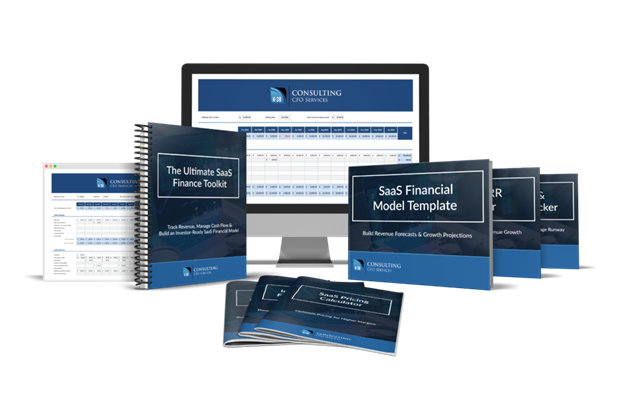
The SaaS business model is one of the fastest-growing and most scalable business models in the digital world. However, even with its strong potential, many SaaS startups fail early because they do not manage their finances strategically. Founders often focus on developing features, acquiring users, and marketing campaigns — but without financial clarity, growth becomes unstable and unpredictable. This is where using a structured SaaS financial model template becomes absolutely essential. It helps founders plan future revenue, understand cash flow, and forecast runway to support strategic decision-making.
Financial modeling is not just a spreadsheet exercise; it is the blueprint that guides business decisions. If founders want to scale in a sustainable way, they need a financial model that breaks down the key components driving revenue and expenses.
Understanding How SaaS Revenue Works
SaaS companies operate on a subscription-based model, meaning that revenue is recurring instead of one-time. This makes forecasting easier — but only when the correct metrics are monitored.
The most important SaaS revenue metrics include:
| Metric | Definition | Significance |
|---|---|---|
| MRR (Monthly Recurring Revenue) | Predictable monthly revenue | Shows revenue stability |
| ARR (Annual Recurring Revenue) | Total subscription revenue annually | Helps assess long-term growth |
| Churn Rate | % of customers who cancel | Affects overall revenue sustainability |
| LTV (Customer Lifetime Value) | Total revenue from a single customer | Indicates revenue potential |
| CAC (Customer Acquisition Cost) | Cost to acquire one customer | Helps evaluate marketing ROI |
If CAC is too high and LTV is low, the business will not scale effectively. A good model highlights this problem early, giving founders time to adjust their strategies.
How Financial Modeling Helps SaaS Startups Grow Confidently
A comprehensive financial model allows founders to:
- Understand Growth Drivers
It shows how marketing spend, conversions, and retention work together. - Predict Future Cash Needs
Startups must know how long their current funding will support operations. - Optimize Pricing
Small changes in pricing can significantly affect growth and churn rates. - Plan Hiring Strategically
Hiring too early increases burn rate, while hiring too late slows growth. - Present Strong Financials to Investors
Investors want realistic forecasts — not assumptions.
Having this level of financial insight prevents founders from scaling too aggressively or too slowly.
The Critical Role of Churn in SaaS Growth
Churn is the silent killer of SaaS businesses. Even if a company is adding new customers at a fast rate, high churn can wipe out growth. For example, a startup that grows MRR by 10% per month but loses 8% to churn is not truly scaling.
Proper modeling allows founders to:
- Simulate churn impact
- Identify patterns in customer behavior
- Develop retention strategies
- Improve onboarding and customer success processes
This leads to more stable and predictable revenue.
Scenario Planning: A Powerful SaaS Forecasting Tool
One of the strengths of a financial model is scenario planning. This lets founders create different versions of their forecast:
| Scenario | Description | Purpose |
|---|---|---|
| Base Case | Expected growth | Guides daily decisions |
| Best Case | Faster growth + low churn | Helps prepare for scaling |
| Worst Case | Slow growth + high churn | Protects against risk |
With these scenarios, founders can adjust strategies before making expensive decisions.
Outsourced CFO Support: A Smart Choice for SaaS Founders
Not every startup needs a full-time CFO in the early stages. That’s why outsourced CFO services have become increasingly valuable. A fractional CFO provides:
- Strategic financial planning
- KPI dashboards and reporting
- Fundraising support
- Budget and forecasting guidance
- Risk analysis and growth planning
This allows founders to maintain financial discipline while focusing on product development and sales.
Why Investors Prefer Startups With Strong Financial Models
Investors need confidence. A startup that presents a clear financial roadmap instantly stands out. A strong financial model shows:
- How revenue will grow over time
- When the business will become profitable
- How investment funds will be used
- What milestones will be reached at each stage
This level of transparency builds trust and makes fundraising easier.
Final Thoughts
Scaling a SaaS company requires more than just product innovation. It requires financial clarity, strategic planning, and disciplined execution. Without these, even promising companies struggle to grow sustainably.
Using a well-built SaaS financial model template gives founders the clarity they need to plan confidently, attract investors, optimize operations, and maintain long-term growth momentum. With accurate financial forecasting, SaaS startups can scale strategically instead of relying on trial and error.
